در عصر محاسبات با چگالی بالا، سیستمهای خنککننده هوای سنتی به سرعت در حال جایگزینی با معماریهای پیشرفته خنککننده مایع هستند. در هسته این تحول، واحد توزیع خنککننده مرکز داده (cdu) قرار دارد - یک جزء حیاتی سیستم که مسئول تحویل و تنظیم دقیق مایع خنککننده در سراسر زیرساخت سرور است.
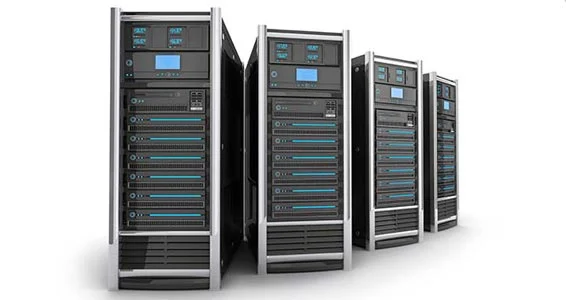
تعریف: واحد توزیع سرمایش مرکز داده (cdu) چیست؟
واحد توزیع خنککننده (cdu) دستگاه توزیع مرکزی در مراکز داده با خنککننده مایع است که مایع خنککننده - آب یا مایعات فلوئوردار - را به صفحات سرد، مخازن خنککننده غوطهوری یا بلوکهای آب مستقیم به تراشه تحویل میدهد. cdu حذف حرارت هدفمند را در سطح تراشه یا سطح رک تضمین میکند و راندمان حرارتی و قابلیت اطمینان را در مراکز داده مدرن افزایش میدهد.
عملکردهای کلیدی سیستمهای cdu
توزیع مایع خنککننده: جریان را با استفاده از پمپها و شیرها کنترل میکند تا خنککنندگی متعادل برای هر سرور تضمین شود.
کنترل دما و فشار: دمای مایع خنککننده را در محدوده تحمل دقیق (±0.5 درجه سانتیگراد) حفظ میکند و فشار پایدار را برای جلوگیری از کاویتاسیون یا نشت تضمین میکند.
طراحی افزونگی: از پیکربندیهای دو پمپ و دو منبع تغذیه برای تضمین دسترسیپذیری ۹۹.۹۹۹٪ استفاده میکند.
نظارت بلادرنگ: با سیستمهای dcim ادغام میشود تا بازخورد زندهای در مورد نرخ جریان، دما و وضعیت نشتی ارائه دهد.
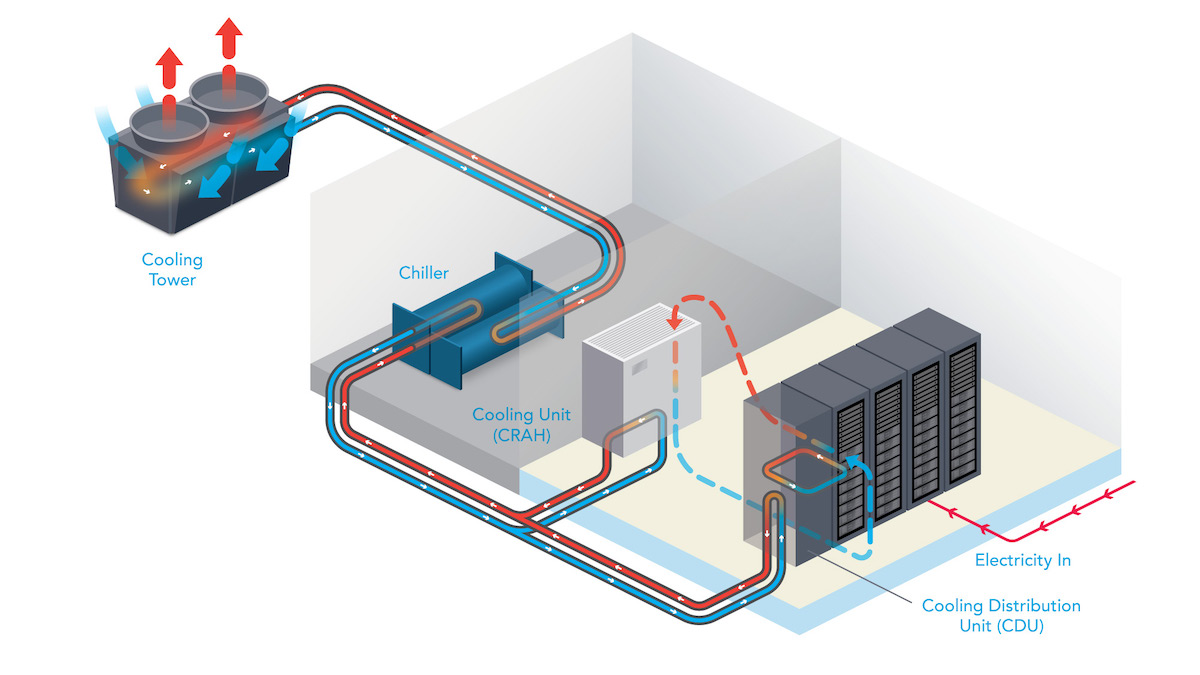
انواع واحدهای توزیع سرمایش مرکز داده
cdu سطح رک: برای استفاده در یک کابینت طراحی شده است و از ظرفیت خنکسازی 30 تا 100 کیلووات پشتیبانی میکند. ایدهآل برای استقرارهای مقیاسپذیر و انعطافپذیر.
cdu سطح ردیف: به یک ردیف کامل از رکهای سرور با پشتیبانی از برق تا ۵۰۰ کیلووات خدمات ارائه میدهد، که برای خوشههای محاسباتی با تراکم بالا ایدهآل است.
سی دی یو غوطهوری: به طور خاص برای سیستمهای خنککننده غوطهوری تک فاز یا دو فاز طراحی شده است، سازگار با سیالات فلوئوردار مانند 3m novec.
مزایای سیستمهای خنککننده مایع cdu
به میزان مصرف انرژی (pue) تا 1.05 دست مییابد و در مقایسه با خنککننده هوا، بیش از 30٪ در مصرف انرژی صرفهجویی میکند.
از بارهای کاری با چگالی بسیار بالا (مثلاً ۵۰ کیلووات یا بیشتر در هر رک برای سرورهای هوش مصنوعی یا پردازنده گرافیکی) پشتیبانی میکند.
با طراحیهای cdu بدون فن، بیصدا عمل میکند (<50db noise level).
application scenarios
supercomputing facilities (e.g., japan's fugaku)
ai training clusters (e.g., nvidia dgx a100)
edge data centers with compact cdu footprints
cold plates, heat sinks, and water blocks: the execution layer of cdu cooling
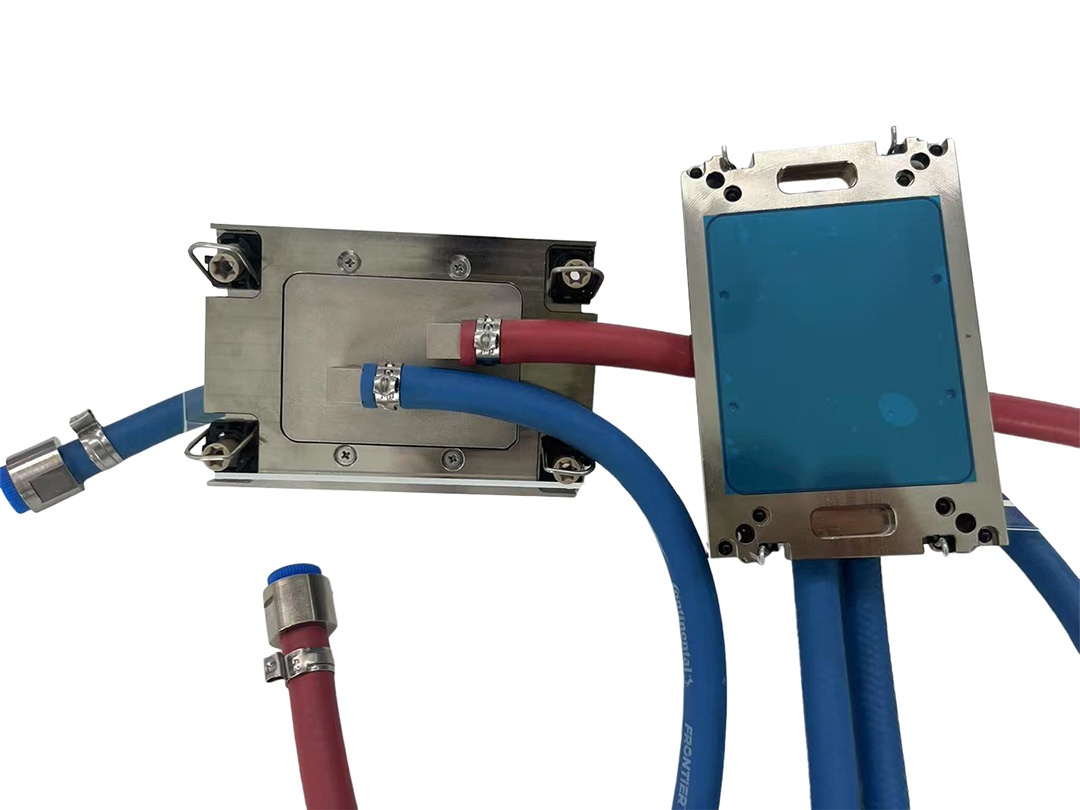
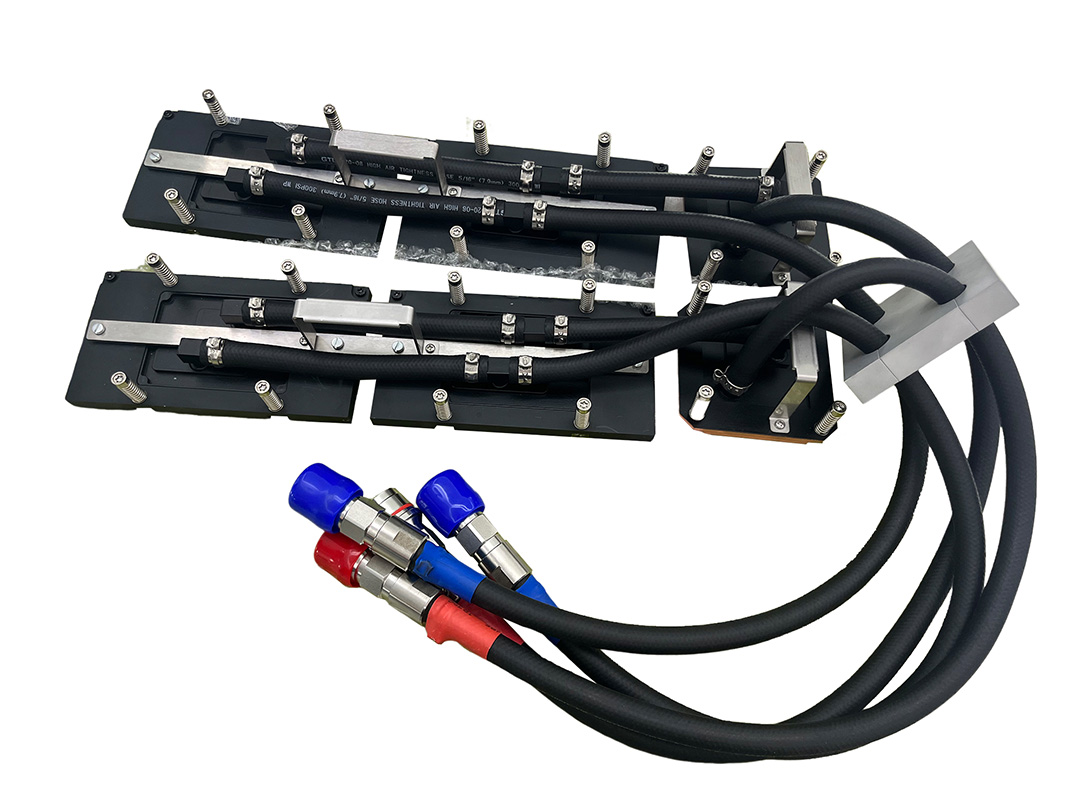
while the cdu serves as the command center for liquid flow, its true cooling potential is realized through its terminal components: cdu water-cooled cold plates, heat sinks, and water blocks. these components directly interface with heat-generating devices to execute efficient thermal transfer.
| component | cdu system role | application |
|---|
| cold plate | transfers coolant to chips via microchannels for precise heat removal | gpu/cpu-intensive racks, ai compute nodes |
| heat sink | provides secondary cooling to cdu's internal electronics | cdu control cabinet (pumps, psu modules) |
| water block | customized cooling of irregular thermal sources; connects with cdu pipes | hpc systems, supercomputing accelerators |
technical advantages vs. traditional air cooling
1. cold plates (cdu water plates)
extreme heat flux capacity: supports up to 500–1000w/cm², outperforming air cooling (50–100w/cm²).
surface uniformity: delivers thermal spread with <2°c delta across the plate, preventing local overheating.
smart cdu integration: built-in sensors feed real-time data to cdu controllers, enabling dynamic flow and temperature regulation.
2. heat sinks for cdu internal components
cdu self-cooling: ensures cdu reliability by passively cooling key electronics.
lightweight design: aluminum 6063 construction minimizes weight, ideal for rack-mount cdu units.
3. custom water blocks (cdu water block solutions)
complex shape compatibility: cnc or 3d-printed to match non-standard chip designs (e.g., nvidia h100).
low flow resistance: engineered water channels reduce cdu pump workload (pressure drop < 0.3 bar).
cdu-component synergy: smart thermal management
modern cdu liquid cooling systems are not standalone—they function in harmony with cold plates, heat sinks, and water blocks to form a dynamic, closed-loop thermal architecture. key highlights include:
dynamic flow tuning: cdu adjusts coolant delivery based on feedback from water plates or water blocks (e.g., via intel dcm protocol).
leak protection: quick-disconnect fittings (e.g., cpc, qd) on water blocks and cdu hoses ensure sealed, safe connections.
energy efficiency: combined cdu + cold plate architecture can achieve pue as low as 1.05, compared to 1.5+ for traditional systems.
real-world applications
google data center: utilizes cdus to distribute chilled water to rack-mounted water plates for tpu cooling.
tesla dojo supercomputer: employs cdu-integrated custom water blocks to manage 1mw per cabinet.
crypto mining farms: use aluminum cold plates + cdu instead of fans, reducing power consumption by 30%.
future trends in cdu-based cooling solutions
two-phase cdu cooling: uses phase-change fluids like liquid nitrogen to achieve 5x efficiency gains.
ai-driven cdu control: enables predictive adjustments in flow and temperature based on workload forecasting.
as the backbone of next-generation data center infrastructure, the data center cooling distribution unit (cdu)—along with advanced cdu water plates, heat sinks, and liquid cooling water blocks—will continue to evolve toward smarter, quieter, and more efficient thermal management solutions.
keyword summary: data center cooling distribution unit (cdu), cdu water plate, cdu water block, immersion cdu, rack-level cdu, cold plate, heat sink, liquid cooling system, full-chain liquid cooling, water-cooled server, ai liquid cooling.